


Unlocking Potential: Smart Ideas For A Functional Basement Transformation

August 6, 2025

Picture
Top Ideas for a Functional Basement Makeover
1. Create a Multi-Purpose Room

  1. A home office during the day
  2. A guest room at night
  3. A play area for kids on weekends

2. Design a Home Theater or Media Lounge

  • Soundproofing walls and ceilings
  • Installing a projector or large-screen TV
  • Tiered seating or cozy recliners
  • Ambient lighting with dimmers

3. Add a Fitness or Wellness Space

  • Rubberized flooring
  • Mirrors and mounted TVs
  • Equipment like treadmills, bikes, or free weights
  • A sauna or yoga zone

4. Build a Guest Suite or Rental Unit

  • A comfortable space for visiting family
  • A long-term rental or Airbnb unit (check local zoning laws)
  • An in-law or aging-in-place suite

5. Upgrade for Entertainment

  • A game room (pool table, dartboard, arcade machines)
  • A wet bar with built-in shelving
  • Lounge seating and ambient lighting
  • A wine cellar or tasting nook

Why Home Insurance Matters When Renovating a Basement

  • Protects your investment: Whether it’s new flooring, appliances, or structural work, insurance helps cover damages from risks like fire, water leaks, or theft.

  • Covers liability: If a guest is injured in your renovated space, liability protection is crucial.

  • Supports claims: If disaster strikes, having proper documentation and updated coverage helps ensure a smoother claims process.

Tip:
Final Thoughts
At Desmond Insurance, we aim to provide comprehensive insurance policies that make your life easier. We want to help you get insurance that fits your needs. You can get more information about our products and services by calling our agency at
 
. Get your free quote today by
 
.
Disclaimer: The information presented in this blog is intended for informational purposes only and should not be considered as professional advice. It is crucial to consult with a qualified insurance agent or professional for personalized advice tailored to your specific circumstances. They can provide expert guidance and help you make informed decisions regarding your insurance needs.​
March 20, 2026
Preparing for Spring Storm Season: A Quick Insurance Check
February 28, 2026
Planting Seeds for Tomorrow: Life Insurance for Children & Long-Term Security

January 26, 2026
Shannon Desmond Walz, Vice President of Desmond Insurance, has been named to the Board of Directors of Big I Kentucky, the state association representing independent insurance agencies across the Commonwealth.  Big I Kentucky supports its members through legislative advocacy, education, professional development, and industry resources that strengthen independent agencies and the clients they serve
January 23, 2026
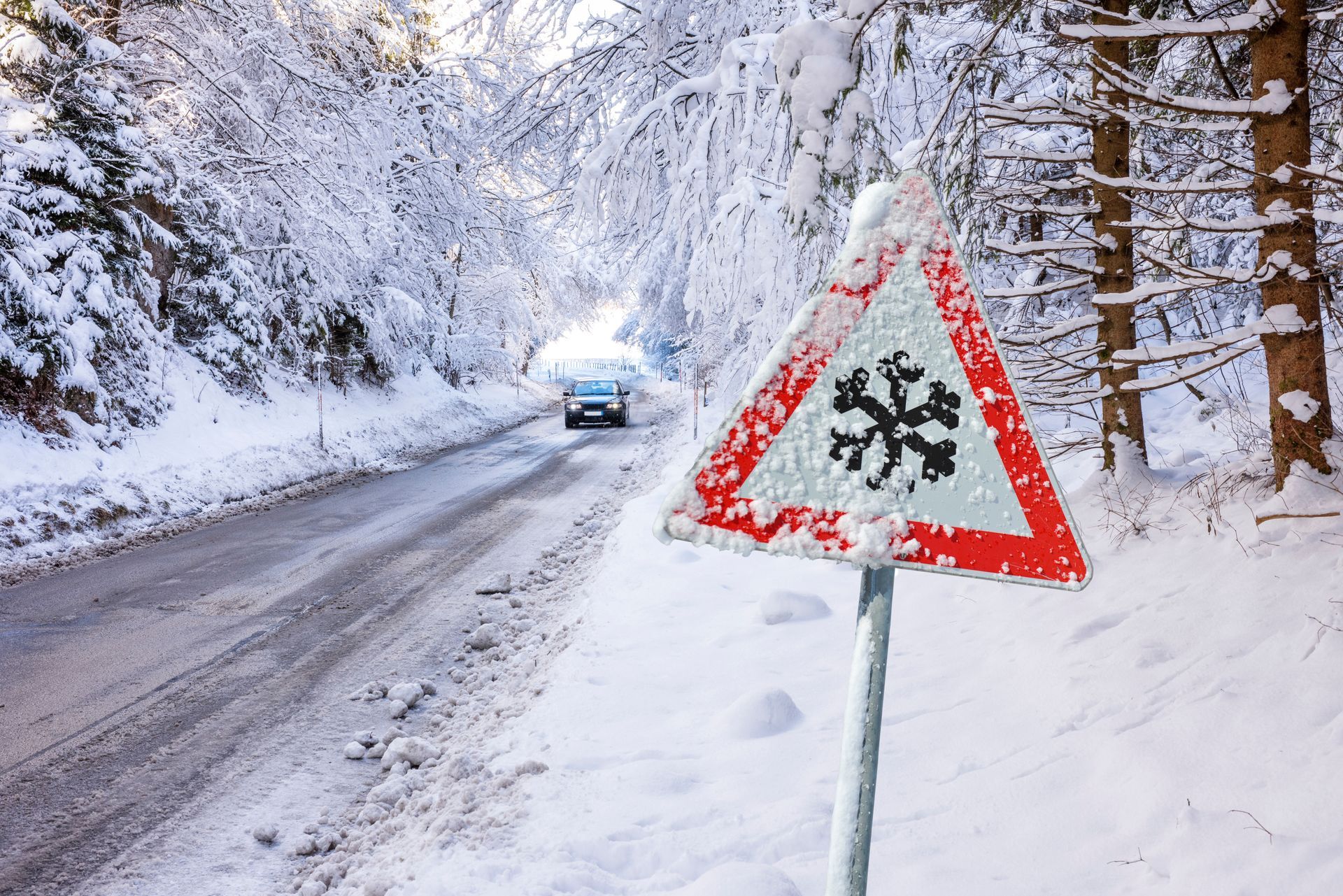
Winter Weather Is Here! Simple Steps to Protect Your Home, Your Drive, and Your Business
January 14, 2026
HO-1 and HO-8 home insurance policies are designed for very specific situations and are not interchangeable with standard homeowners coverage. Each policy offers limited protection and is typically used when traditional home insurance is unavailable or impractical. In our years of professional service assisting homeowners in Bellevue, KY, we’ve found that understanding these policy differences helps prevent costly coverage gaps. Why Some Homes Don’t Qualify for Standard Home Insurance Most homeowners are familiar with standard policies like HO-3, but not every home qualifies for them. Age, condition, construction materials, and replacement cost all influence eligibility. Common Reasons for Limited Policy Options Homes may be declined for standard coverage if they: Are very old or historically constructed Have outdated electrical, plumbing, or roofing systems Cost significantly more to rebuild than their market value Are in poor or distressed condition When this happens, insurers may offer specialized policies like HO-1 or HO-8 instead. What an HO-1 Home Insurance Policy Is HO-1 is one of the most basic and limited homeowners insurance policies available. What HO-1 Typically Covers HO-1 policies usually provide named-peril coverage for a short list of risks, such as: Fire or lightning Windstorm or hail Explosion Theft Vandalism If the damage isn’t caused by a listed peril, it generally isn’t covered. Key Limitations of HO-1 Policies HO-1 policies come with significant restrictions. Important Limitations to Understand HO-1 coverage often: Covers only the dwelling, not personal property Excludes many common causes of loss Offers no liability protection Is rarely offered by insurers today In our professional experience, HO-1 policies are usually considered a last-resort option. What an HO-8 Home Insurance Policy Is HO-8 policies are designed specifically for older homes . Why HO-8 Policies Exist Older homes often: Cost more to rebuild than their market value Use materials or craftsmanship no longer common Cannot justify full replacement-cost coverage HO-8 policies help address this mismatch between rebuild cost and home value. How HO-8 Coverage Works Unlike standard policies, HO-8 policies focus on functional value. Coverage Characteristics of HO-8 Policies HO-8 policies typically: Use actual cash value rather than replacement cost Cover a limited list of named perils Focus on repairing or replacing damaged portions with similar materials This makes HO-8 policies more affordable for homes that would otherwise be uninsurable. HO-1 vs. HO-8: Side-by-Side Differences While both are limited policies , they serve different purposes. Key Differences at a Glance HO-1: Very basic, minimal protection, rarely issued HO-8: Designed for older homes with high rebuild costs HO-1 may exclude liability entirely HO-8 often includes limited liability coverage Understanding which policy applies depends largely on the home’s age, condition, and valuation. Perils Covered Under Each Policy Both policies rely on named-peril coverage. Common Covered Perils Depending on the policy, covered perils may include: Fire or smoke Windstorm or hail Explosion Riot or civil commotion Damage from vehicles or aircraft Losses outside these causes—such as water damage or maintenance issues—are usually excluded. Why Replacement Cost vs. Actual Cash Value Matters This distinction affects claim payouts. Understanding Actual Cash Value Actual cash value: Subtracts depreciation Results in lower claim payments Reflects the age and condition of materials For older homes, this approach prevents over-insuring structures that would be impractical to fully rebuild. When HO-8 Is Often the Better Option In many cases, HO-8 is more realistic than HO-1. Situations Where HO-8 Makes Sense HO-8 policies are commonly used when: Homes are historically built Market value is far below rebuild cost Owners want basic protection without overpaying Homes near older residential pockets and long-established streets often fall into this category. Liability Coverage Considerations Liability protection is critical—even with limited policies. Why Liability Still Matters Liability coverage may help protect against: Guest injuries Property damage to others Legal defense costs In Bellevue, KY, older homes often have unique layouts or features that increase liability exposure, making this coverage especially important. What These Policies Do NOT Cover Well Both HO-1 and HO-8 leave gaps. Common Coverage Exclusions These policies often exclude: Flood damage Earthquake damage Wear and tear Maintenance-related issues Additional policies may be needed to address these risks. How Insurers Decide Between HO-1 and HO-8 The decision is based on risk and valuation. Factors Insurers Consider Carriers evaluate: Age of the home Construction type Replacement cost estimates Overall condition In our years of professional service, HO-8 is far more commonly approved than HO-1. Reviewing Coverage Before You Commit Limited policies require careful review. What Homeowners Should Ask Before choosing either policy: What perils are covered? How are claims valued? Is liability included? Are endorsements available? Clarity upfront prevents disappointment later. Why These Policies Are Becoming Less Common Insurance markets are evolving. Industry Trends Many insurers: No longeroffer HO-1 policies Limit HO-8 availability Encourage upgrades to qualify for broader coverage Improvements to wiring, roofing, or plumbing can sometimes unlock better policy options. Making the Right Choice for an Older Home HO-1 and HO-8 policies serve a purpose—but only when understood correctly. Choosing the wrong policy can leave homeowners exposed when they need coverage most. At Desmond Insurance, we aim to provide comprehensive insurance policies that make your life easier. We want to help you get insurance that fits your needs. You can get more information about our products and services by calling our agency at (859) 491-5100. Get your free quote today by CLICKING HERE . Desmond Insurance Address: Bellevue, KY Phone: (859) 491-5100 Website: https://www.desmondinsurance.com/

January 14, 2026
Uninsured and underinsured motorist coverage he lps protect you financially if you’re involved in an accident with a driver who has little or no insurance. This coverage can pay for medical bills, lost income, and other damages when the at-fault driver can’t. In our years of professional service helping drivers in Bellevue, KY, we’ve seen this coverage make the difference between a manageable claim and long-term financial stress. What Uninsured and Underinsured Motorist Coverage Is Uninsured and underinsured motorist coverage—often referred to as UM/UIM —is designed to protect you when the other driver cannot fully pay for the damage they cause. Uninsured Motorist Coverage (UM) This applies when: The at-fa ult driver has no auto insurance You’re hit by a hit-and-run driver Coverage limits of t he other driver are effectively zero Underinsured Motorist Coverage (UIM) This applies when: The at-faul t driver has insurance Their policy limit s are too low to cover your losses These coverages step in to help bridge the financial gap left behind. Why This Coverage Is So Important Today Despite insurance laws, not all drivers carry adequate coverage. The Reality on the Road Many drivers: Carry only state-mi nimum liability limits Let policies lapse Drive uninsured vehicles In our professional experience, people are often surprised to learn how quickly medical costs can exceed another driver’s policy limits. What Uninsured and Underinsured Coverage Typically Pays For UM/UIM coverage focuses on injuries and related losses. Common Expenses Covered Depending on your policy, coverage may help pay for: Medi cal bills Ongoing rehabilitation or therapy Lost wages during recovery Pain and suffering Funeral expenses in severe cases Some policies may also include property damage protection, though this varies. How UM/UIM Coverage Works After an Accident The claims process differs slightly from standard liability claims. What Happens Step by Step After an accident: Your ins urer investigates the claim Fault is established The at-fault driver’s coverage is reviewed UM/UIM applies if lim its are insufficient You are essentially using your own policy to protect yourself from someone else’s lack of coverage. Why State Minimum Liability Isn’t Enough Minimum limits are designed to meet legal requirements—not real-world costs. How Claims Quickly Exceed Limits Medical treatment can involve: Eme rgency care Diagnostic imaging Surgery Physical therapy It’s not uncommon for costs to exceed minimum liability limits after even moderate accidents. UM/UIM Coverage and Medical Insurance Some drivers assume health insurance is enough. Why Health Insurance Isn’t a Substitute Health insurance: Doesn’t cover lost income May require deductibles and copays Won’t compensate for pain and suffering UM/UIM coverage fills gaps that health insurance does not address. Stacking Coverage: An Important Consideration Some policies allow stacking, which can increase available protection. What Stacking Means Stacking may allow: Multiple vehicle limits to combine Higher total available coverage Whether stacking is allowed depends on state rules and policy structure, making it important to review details carefully. Common Misconceptions About UM/UIM Coverage Many drivers decline this coverage due to misunderstandings. Myths We Often Hear “I’m a sa fe driver, so I don’t need it” “Everyone else has insurance” “It’s too expensive to add” In reality, UM/UIM coverage is often one of the most affordable additions to an auto policy. How Much Coverage Should You Carry? There is no one-size-fits-all answer. Factors to Consider When choosing limits, think about: Your health insurance deductible Your income and ability to miss work Savings and emergency funds Household financial responsibilities In our years of professional service, higher UM/UIM limits often provide peace of mind at a relatively modest cost. Local Driving Risks and Why They Matter Traffic patterns and commuting routes influence exposure. Drivers navigating busy corridors near Fairfield Avenue or spending time along the riverfront often share the road with a wide range of vehicles, including out-of-town drivers whose insurance may not meet your needs. These everyday realities make UM/UIM coverage especially relevant in Bellevue, KY. UM/UIM Coverage for Passengers and Family Members This coverage often extends beyond just the policyholder. Who May Be Protected Depending on the policy: Household members may be covered Passengers in your vehicle may be covered You may be covered while riding in another vehicle Understanding who is protected helps avoid surprises after a claim. Why Declining UM/UIM Coverage Can Be Risky Once declined, coverage gaps can be costly. Consequences of Opting Out Without UM/UIM coverage: You may rely solely on the at-fault driver’s insurance Out-of-pocket expenses can be substantial Legal recovery options may be limited We’ve seen situations where drivers did everything right—yet still faced major losses due to another driver’s lack of coverage. Reviewing Your Policy Before You Need It The best time to evaluate coverage is before an accident. When to Review UM/UIM Coverage It’s wise to review your policy: At renewal After life changes When purchasing a new vehicle If your income or assets increase Drivers in Bellevue, KY who review coverage proactively are far less likely to face financial hardship after an accident. Protecting Yourself Against the Unknown You can’t control whether another driver carries insurance—but you can control how prepared you are. Uninsured and underinsured motorist coverage is one of the most practical ways to protect yourself from risks you can’t see coming. At Desmond Insurance, we aim to provide comprehensive insurance policies that make your life easier. We want to help you get insurance that fits your needs. You can get more information about our products and services by calling our agency at (859) 491-5100. Get your free quote today by CLICKING HERE . Desmond Insurance Address: Bellevue, KY Phone: (859) 491-5100 Website: https://www.desmondinsurance.com/

December 30, 2025
Prepare for the Year Ahead with Protection, Partnership & Peace of Mind
White water heater in a laundry room, with text
December 22, 2025
A well-functioning water he ater is essential to your home’s comfort—providing warm showers, clean dishes, and efficient laundry cycles. But like any hardworking appliance, your water heater needs regular care to perform at its best. Neglecting maintenance can lead to higher energy bills, inconsistent water temperature, or even unexpected breakdowns that leave your home without hot water. Whether you have a traditional tank-style heater or a modern tankless unit, understanding how to maintain and upgrade your system can extend its life, improve efficiency, and prevent costly repairs. Let’s explore the steps that help keep your water heater running reliably all year long. Why Water Heater Maintenance Matters Water heaters are often overlooked until something goes wrong. But proactive care offers several benefits: Prevents unexpected system failures Improves heating efficiency Reduces energy costs Extends the unit’s lifespan Helps maintain clean, sediment-free water Minimizes the risk of leaks and water damage Routine maintenance can mean the difference between a minor tune-up and a major, expensive replacement. Essential Water Heater Maintenance Tasks Both tank and tankless water heaters benefit from annual or biannual inspections. Here are the key steps homeowners should take (or have a professional perform): 1. Flush the Tank to Remove Sediment Over time, minerals build up at the bottom of tank-style heaters, reducing efficiency and increasing wear. Benefits of flushing include: I mproved heating performance Lower energy usage Reduced tank corrosion Quieter operati on Tankless heaters also accumulate scale and may require descaling using vinegar or professional-grade cleaners. 2. Inspect and Replace the Anode Rod The anode rod attracts corrosive elements in the water to protect your tank from rust. When it wears out, the tank becomes vulnerable. Replace the anode rod if: It’s heavily corroded It’s worn down to the core wire Your water heater is more than 3–5 years old A healthy anode rod can add years to the lifespan of your heater. 3. Check the Temperature Settings Most water heaters default to 140°F, but lowering the temperature to 120°F is safer and more energy-efficient. Benefits: Low er utility bills Reduced risk of scalding Less wear on the heating elements 4. Test the Pressure Relief Valve This valve releases pressure if the tank becomes too hot or overpressurized—a critical safety feature. How to test: Lift the valve lever briefly to ensure water flows out and stops properly afterward. If it leaks or doesn’t release water, replace it immediately. 5. Insulate the Tank and Pipes Insulating your water heater helps retain heat and improves efficiency, especially in colder climates. Insulation reduces: He at loss Energy consumption Recovery time afte r hot water usage 6. Examine the Unit for Leaks or Corrosion Check for: R ust-colored water Drips around the base Moisture in the drain pan Corrosion near pipe connections Early detection helps avoid significant water damage. Smart Upgrades That Improve Performance If your heater is aging or frequently malfunctioning, strategic upgrades can offer better reliability and efficiency. 1. Install a Tankless Water Heater Tankless systems heat water on demand and offer: Endless hot water Longer lifespan Lower energy usage Space-saving design They’re ideal for households wanting a modern, efficient solution. 2. Add a Water Softener Hard water causes scale buildup, putting strain on your heater and reducing efficiency. A water softener: P rotects heating elements Reduces sediment buildup Improves water quality Lengthens appli ance lifespan 3. Upgrade to a High-Efficiency Tank Model Today’s energy-efficient tank heaters offer: Bett er insulation Higher performance Lower operati ng costs This is a great option when your current heater is nearing the end of its life. 4. Install a Leak Detection System Smart leak sensors can detect moisture early and alert you instantly—helping prevent water damage before it spreads. Homeowners in Bellevue, KY often experience seasonal temperature fluctuations, which can put added strain on water heaters. Regular maintenance and timely upgrades can help Bellevue residents ensure their systems stay efficient and avoid unexpected breakdowns—especially during colder months when hot water demand increases. Why It’s Important to Have Home Insurance Even with regular maintenance, water heaters can still malfunction, leak, or fail—sometimes causing significant water damage. That’s where home insurance becomes essential. Home insurance typically provides protection for: Sudden and accidental water damage If your water heater bursts unexpectedly, your policy may cover damage to floors, walls, or belongings. Replacement or repair of damaged property Helps pay for restoring areas impacted by water leaks or flooding. Personal property losses Covers damaged items such as furniture, electronics, or clothing. Additional living expenses (ALE) If major damage makes your home temporarily uninhabitable, ALE may cover hotel stays and extra costs. Liability protection If water damage impacts neighboring property (e.g., in a condo), liability coverage steps in. Who benefits most? Homeowners with aging appliances Families using high-demand water systems Condo and multi-unit homeowners Anyone looking to protect their investment and peace of mind Home insurance acts as a financial safety net, ensuring unexpected water heater failures don’t result in major out-of-pocket expenses. Conclusion Regular water heater maintenance is a simple but powerful way to protect your home, save energy, and extend the life of this essential appliance. When combined with smart upgrades—and backed by strong home insurance —you can enjoy dependable hot water and peace of mind year-round. Whether you're preparing your system for colder weather or simply staying proactive in Bellevue, KY, taking proper care of your water heater ensures your home stays comfortable, safe, and protected. At Desmond Insurance, we aim to provide comprehensive insurance policies that make your life easier. We want to help you get insurance that fits your needs. You can get more information about our products and services by calling our agency at (859) 491-5100 . Get your free quote today by CLICKING HERE . Disclaimer: The information presented in this blog is intended for informational purposes only and should not be considered as professional advice. It is crucial to consult with a qualified insurance agent or professional for personalized advice tailored to your specific circumstances. They can provide expert guidance and help you make informed decisions regarding your insurance needs.​
A man in a car, looking concerned, with police lights in the background. Text: SR-22 insurance explained.
December 22, 2025
Hearing the term “SR-22” can feel intimidating—many drivers associate it with major violations, high premiums, and complicated paperwork. But despite the confusion, an SR-22 isn’t actually insurance at all. It’s a simple form filed by your insurance company to prove that you’re meeting your state’s minimum liability requirements. Whether you're facing a license suspension, need to reinstate driving privileges, or simply want to understand your options, this guide breaks down everything you need to know about SR-22 filings—when they're required, how they affect your insurance, and what to expect throughout the process. What Is SR-22 Insurance? Despite its name, SR-22 insurance is not a separate insurance policy. Instead, it is a certificate of financial responsibility that your insurer files with the state to verify that you carry the minimum required auto insurance coverage. The SR-22 form confirms that: You have an active auto insurance policy You meet or exceed state minimum liability limits Your insurer will notify the state if your policy lapses or cancels If your insurance ends for any reason, the state is alerted immediately, and your driving privileges may be suspended again. When Do You Need SR-22 Insurance? SR-22 requirements vary by state, but they typically apply when a driver is considered “high risk” by the courts or the DMV. Common reasons you may be required to file an SR-22 include: DUI or DWI convictions Driving without insurance Repeated traffic violations Reckless or negligent driving At-fault accidents without proof of insurance License suspension or revocation Court-ordered requirements following a violation In most cases, SR-22 filings must remain active for 3 years, though this can vary depending on the state and the severity of the offense. Types of SR-22 Filings There are a few types of SR-22 forms depending on your situation: 1. Owner’s SR-22 For drivers who own a vehicle and need coverage for that vehicle. 2. Non-Owner SR-22 For individuals who do not own a car but still need to reinstate their driver’s license and may occasionally drive borrowed or rented vehicles. 3. Owner/Operator SR-22 For drivers who operate multiple vehicles or both personal and work-related vehicles. Your insurance provider will help determine which filing is appropriate for your situation. How an SR-22 Affects Your Insurance Rates Because an SR-22 indicates a history of high-risk driving, your insurance premiums will likely increase. This isn’t due to the filing itself—which is inexpensive—but due to the underlying violation on your driving record. Expect: High er premiums Possible insurer changes (not all companies offer SR-22 filings) Stricter policy terms Mandatory continuous coverage If your policy lapses at any point, the SR-22 filing resets, and the required period starts over. How to Get SR-22 Insurance Obtaining an SR-22 is a straightforward process: 1. Contact your insurance provider Not all insurers file SR-22 forms, so you may need to switch to one that does. 2. Purchase an auto insurance policy You must meet your state’s minimum liability requirements. 3. Ask your insurer to file the SR-22 on your behalf They will submit the form directly to the state. 4. Pay the filing fee Usually between $15–$50. 5. Maintain continuous coverage Any lapse can result in additional penalties or license suspension. In most cases, the entire filing process can be completed in one day. Life After Receiving an SR-22 While SR-22 requirements may seem overwhelming, they are temporary. Maintaining a clean driving record during your SR-22 period can help lower your future premiums and improve your standing with insurers. To avoid further penalties: Keep your policy active Pay premiums on time Avoid moving violations Follow all reinstatement i nstructions from the state After your SR-22 period ends, your insurance rates may gradually decrease over time. For drivers in Bellevue, KY, SR-22 filings are commonly required after driving without insurance or serious violations. Understanding Kentucky’s specific minimum liability requirements and ensuring continuous coverage is key to completing your SR-22 period without additional penalties. Working with a knowledgeable local agent can help Bellevue residents navigate reinstatement more smoothly. Common SR-22 Myths—Debunked Myth: SR-22 coverage is special, expensive insurance. Truth: It’s just a form; the increased cost comes from your driving record. Myth: Only DUI offenders need an SR-22. Truth: Any serious violation or uninsured accident may trigger the requirement. Myth: You can avoid an SR-22 by moving to another state. Truth: You must fulfill your home state's SR-22 requirement regardless of relocation. Myth: Once your SR-22 ends, your insurance automatically becomes cheap. Truth: Rates may decrease, but it may take time depending on your record. Conclusion An SR-22 filing may feel like a setback, but it’s simply a tool to help you regain your driving privileges and demonstrate financial responsibility. With the right guidance and consistent coverage, completing your SR-22 period is entirely manageable—and temporary. Whether you're navigating reinstatement or exploring your insurance options in Bellevue, KY, understanding SR-22 requirements empowers you to move forward confidently and responsibly. At Desmond Insurance, we aim to provide comprehensive insurance policies that make your life easier. We want to help you get insurance that fits your needs. You can get more information about our products and services by calling our agency at (859) 491-5100 . Get your free quote today by CLICKING HERE . Disclaimer: The information presented in this blog is intended for informational purposes only and should not be considered as professional advice. It is crucial to consult with a qualified insurance agent or professional for personalized advice tailored to your specific circumstances. They can provide expert guidance and help you make informed decisions regarding your insurance needs.​
A chef sprays flames on a grill in a restaurant kitchen, with text:
December 22, 2025
A restaurant kitchen is full of heat, energy, and creativity—but it’s also full of fire risks. From open flames and hot oil to electrical appliances and constant activity, restaurants face a significantly higher risk of fire than many other businesses. And when a fire occurs, the damages can be catastrophic: destroyed equipment, lost revenue, structural repairs, and a temporary (or even permanent) closure. Because of these risks, having the right insurance coverage is essential. It ensures that your restaurant can recover quickly, continue serving customers, and avoid financial devastation. Whether you manage a cozy café, a bustling diner, or a high-end restaurant, here’s what you need to know about protecting your business from fire-related losses. Why Restaurants Face Higher Fire Risks Restaurants often operate in fast-paced environments where the combination of heat, grease, and equipment creates a perfect storm for accidental fires. Common causes of restaurant fires include Grease buildup in hoods and vents Unattended cooking equipment Faulty or overloaded electrical appliances Improperly stored flammable materials Human error during peak service hours With so many risk factors at play, proper insurance protection is not optional—it’s critical. Key Insurance Coverages Every Restaurant Needs Insurance policies for restaurants must be tailored to address fire hazards, property damage, business interruptions, and liability claims. Here are the essential coverages that protect your business when disaster strikes. 1. Commercial Property Insurance This is the foundation of fire protection for restaurants. Property insurance covers: Building damage If you own your restaurant’s building, this coverage pays for fire damage to the structure. Equipment and appliances Covers cooking equipment, refrigerators, ovens, POS systems, and other essentials. Furniture and interior fixtures Helps replace tables, booths, décor, and more. Food inventory loss If a fire damages or spoils your stored food, this coverage reimburses you. A single kitchen fire can destroy thousands of dollars worth of equipment and inventory—property coverage helps you rebuild quickly. 2. Business Interruption Insurance Even a small fire can shut down your restaurant for days or weeks. This coverage replaces the income you lose during downtime and helps pay ongoing expenses. It typically covers: L ost revenue Employee wages Temporary relocation costs Loan payments and rent Utility bills Without business interruption coverage, a temporary closure could become permanent. 3. Equipment Breakdown Coverage Not all restaurant fires come from obvious sources—sometimes a mechanical issue sparks a flame. Equipment breakdown insurance covers: El ectrical shorts Mechanical failures Steam explosions Heating and cooling system br eakdowns This coverage can also replace spoiled food if refrigeration equipment is damaged by a fire-related electrical failure. 4. Commercial General Liability Insurance If a fire injures a customer, delivery driver, vendor, or other third party, general liability insurance covers: Medical costs Legal fees Settlements and judgments Fires can cause burns, smoke inhalation, or injuries during evacuation—liability insurance protects you from costly claims. 5. Workers’ Compensation Insurance Restaurant employees face many fire-related risks, including burns, slips during evacuations, and smoke exposure. Workers’ comp is essential for covering: M edical treatments Lost wages Rehabilitation Disability benefits It also protects restaurants from lawsuits filed by injured employees. 6. Commercial Umbrella Insurance Fire-related losses can exceed ordinary coverage limits. Umbrella insurance provides an extra layer of liability protection, ensuring your restaurant is shielded from high-dollar claims. Specialized Fire Protection Policies Worth Considering Fire Suppression System Coverage Helps pay for accidental discharges or repairs to required fire suppression systems. Spoilage Coverage Covers food lost due to fire, smoke damage, or equipment failure. Ordinance and Law Coverage If a fire triggers required upgrades to meet current building codes, this policy covers the added costs. Restaurant owners in Bellevue, KY face unique challenges, from older commercial buildings to busy kitchen environments and seasonal temperature fluctuations. Having the right insurance policies in place helps ensure Bellevue restaurants can recover quickly after a fire and continue serving their communities without long-term setbacks. Best Practices to Reduce Fire Risks Insurance is crucial—but prevention is just as important. Here’s how restaurants can minimize fire hazards: Clean hoods, vents, and grease traps regularly Built-up grease is one of the leading causes of kitchen fires. Install and maintain fire suppression systems These systems can stop a fire before it spreads. Train all staff in fire safety procedures Quick action saves property and lives. Keep fire extinguishers accessible Staff should know how to use them properly. Inspect electrical equipment often Frayed cords and overloaded outlets are common fire sources. Store flammable materials safely Follow proper guidelines for cleaning chemicals and cooking oils. What Happens If You Don’t Have Adequate Coverage? Operating without proper restaurant insurance can lead to devastating consequences, including: Permanent business closure Inability to rebuild after a major fire Paying damages and medical bills out of pocket Loss of employees and reputation Legal penalties for lack of required coverage The cost of going uninsured is far greater than the cost of the right insurance policy. Conclusion Fires are one of the biggest threats restaurants face—but with the right insurance coverage , they don’t have to shut your business down. A combination of property insurance, liability protection, business interruption coverage, and specialized restaurant policies ensures your business can recover, rebuild, and continue thriving. Whether you’re running a café, bar, or family restaurant in Bellevue, KY, proper fire-related insurance coverage is essential to protecting your investment, employees, and customers. At Desmond Insurance, we aim to provide comprehensive insurance policies that make your life easier. We want to help you get insurance that fits your needs. You can get more information about our products and services by calling our agency at (859) 491-5100 . Get your free quote today by CLICKING HERE . Disclaimer: The information presented in this blog is intended for informational purposes only and should not be considered as professional advice. It is crucial to consult with a qualified insurance agent or professional for personalized advice tailored to your specific circumstances. They can provide expert guidance and help you make informed decisions regarding your insurance needs.​
Show More