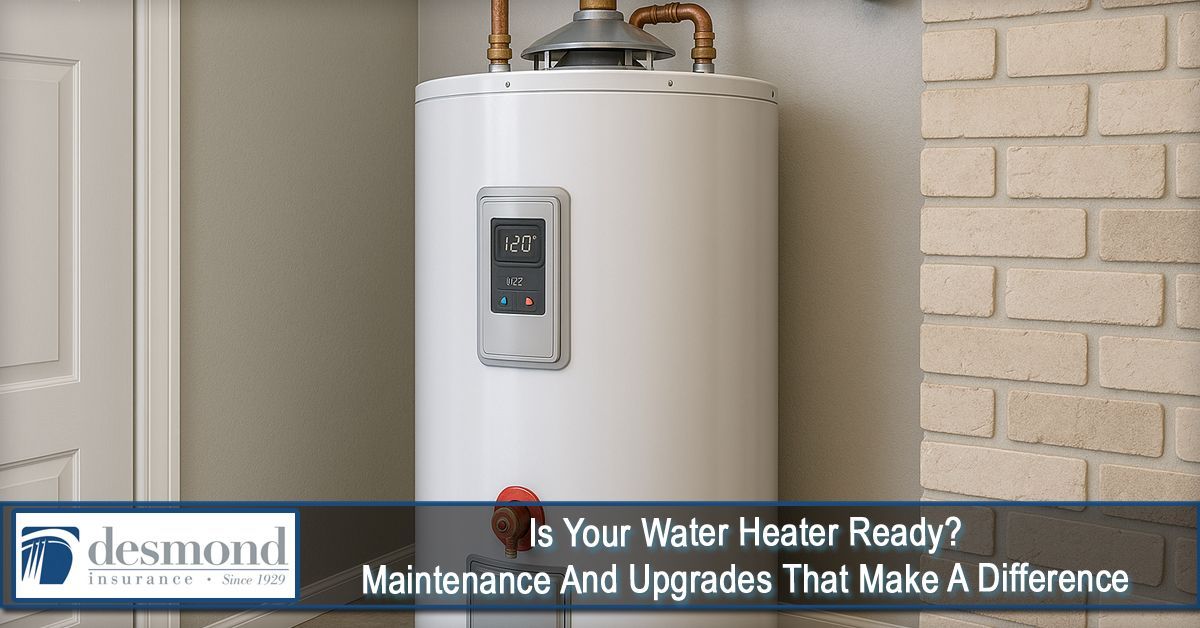
A well-functioning water heater is essential to your home’s comfort—providing warm showers, clean dishes, and efficient laundry cycles. But like any hardworking appliance, your water heater needs regular care to perform at its best. Neglecting maintenance can lead to higher energy bills, inconsistent water temperature, or even unexpected breakdowns that leave your home without hot water.
Whether you have a traditional tank-style heater or a modern tankless unit, understanding how to maintain and upgrade your system can extend its life, improve efficiency, and prevent costly repairs. Let’s explore the steps that help keep your water heater running reliably all year long.
Why Water Heater Maintenance Matters
Water heaters are often overlooked until something goes wrong. But proactive care offers several benefits:
- Prevents unexpected system failures
- Improves heating efficiency
- Reduces energy costs
- Extends the unit’s lifespan
- Helps maintain clean, sediment-free water
- Minimizes the risk of leaks and water damage
Routine maintenance can mean the difference between a minor tune-up and a major, expensive replacement.
Essential Water Heater Maintenance Tasks
Both tank and tankless water heaters benefit from annual or biannual inspections. Here are the key steps homeowners should take (or have a professional perform):
1. Flush the Tank to Remove Sediment
Over time, minerals build up at the bottom of tank-style heaters, reducing efficiency and increasing wear.
Benefits of flushing include:
- Improved heating performance
- Lower energy usage
- Reduced tank corrosion
- Quieter operation
Tankless heaters also accumulate scale and may require descaling using vinegar or professional-grade cleaners.
2. Inspect and Replace the Anode Rod
The anode rod attracts corrosive elements in the water to protect your tank from rust. When it wears out, the tank becomes vulnerable.
Replace the anode rod if:
- It’s heavily corroded
- It’s worn down to the core wire
- Your water heater is more than 3–5 years old
A healthy anode rod can add years to the lifespan of your heater.
3. Check the Temperature Settings
Most water heaters default to 140°F, but lowering the temperature to 120°F is safer and more energy-efficient.
Benefits:
- Lower utility bills
- Reduced risk of scalding
- Less wear on the heating elements
4. Test the Pressure Relief Valve
This valve releases pressure if the tank becomes too hot or overpressurized—a critical safety feature.
How to test:
Lift the valve lever briefly to ensure water flows out and stops properly afterward. If it leaks or doesn’t release water, replace it immediately.
5. Insulate the Tank and Pipes
Insulating your water heater helps retain heat and improves efficiency, especially in colder climates.
Insulation reduces:
- Heat loss
- Energy consumption
- Recovery time after hot water usage
6. Examine the Unit for Leaks or Corrosion
Check for:
- Rust-colored water
- Drips around the base
- Moisture in the drain pan
- Corrosion near pipe
connections
Early detection helps avoid significant water damage.
Smart Upgrades That Improve Performance
If your heater is aging or frequently malfunctioning, strategic upgrades can offer better reliability and efficiency.
1. Install a Tankless Water Heater
Tankless systems heat water on demand and offer:
- Endless hot water
- Longer lifespan
- Lower energy usage
- Space-saving design
They’re ideal for households wanting a modern, efficient solution.
2. Add a Water Softener
Hard water causes scale buildup, putting strain on your heater and reducing efficiency.
A water softener:
- Protects heating elements
- Reduces sediment buildup
- Improves water quality
- Lengthens appliance lifespan
3. Upgrade to a High-Efficiency Tank Model
Today’s energy-efficient tank heaters offer:
- Better insulation
- Higher performance
- Lower operating costs
This is a great option when your current heater is nearing the end of its life.
4. Install a Leak Detection System
Smart leak sensors can detect moisture early and alert you instantly—helping prevent water damage before it spreads.
Homeowners in Bellevue, KY often experience seasonal temperature fluctuations, which can put added strain on water heaters. Regular maintenance and timely upgrades can help Bellevue residents ensure their systems stay efficient and avoid unexpected breakdowns—especially during colder months when hot water demand increases.
Why It’s Important to Have Home Insurance
Even with regular maintenance, water heaters can still malfunction, leak, or fail—sometimes causing significant water damage. That’s where home insurance becomes essential.
Home insurance typically provides protection for:
- Sudden and accidental water damage
If your water heater bursts unexpectedly, your policy may cover damage to floors, walls, or belongings.
- Replacement or repair of damaged property
Helps pay for restoring areas impacted by water leaks or flooding.
- Personal property losses
Covers damaged items such as furniture, electronics, or clothing.
- Additional living expenses (ALE)
If major damage makes your home temporarily uninhabitable, ALE may cover hotel stays and extra costs.
- Liability protection
If water damage impacts neighboring property (e.g., in a condo), liability coverage steps in.
Who benefits most?
- Homeowners with aging appliances
- Families using high-demand water systems
- Condo and multi-unit homeowners
- Anyone looking to protect their investment and peace of mind
Home insurance acts as a financial safety net, ensuring unexpected water heater failures don’t result in major out-of-pocket expenses.
Conclusion
Regular water heater maintenance is a simple but powerful way to protect your home, save energy, and extend the life of this essential appliance. When combined with smart upgrades—and backed by strong
home insurance—you can enjoy dependable hot water and peace of mind year-round.
Whether you're preparing your system for colder weather or simply staying proactive in Bellevue, KY, taking proper care of your water heater ensures your home stays comfortable, safe, and protected.
At Desmond Insurance, we aim to provide comprehensive insurance policies that make your life easier. We want to help you get insurance that fits your needs. You can get more information about our products and services by calling our agency at (859) 491-5100. Get your free quote today by CLICKING HERE.
Disclaimer: The information presented in this blog is intended for informational purposes only and should not be considered as professional advice. It is crucial to consult with a qualified insurance agent or professional for personalized advice tailored to your specific circumstances. They can provide expert guidance and help you make informed decisions regarding your insurance needs.