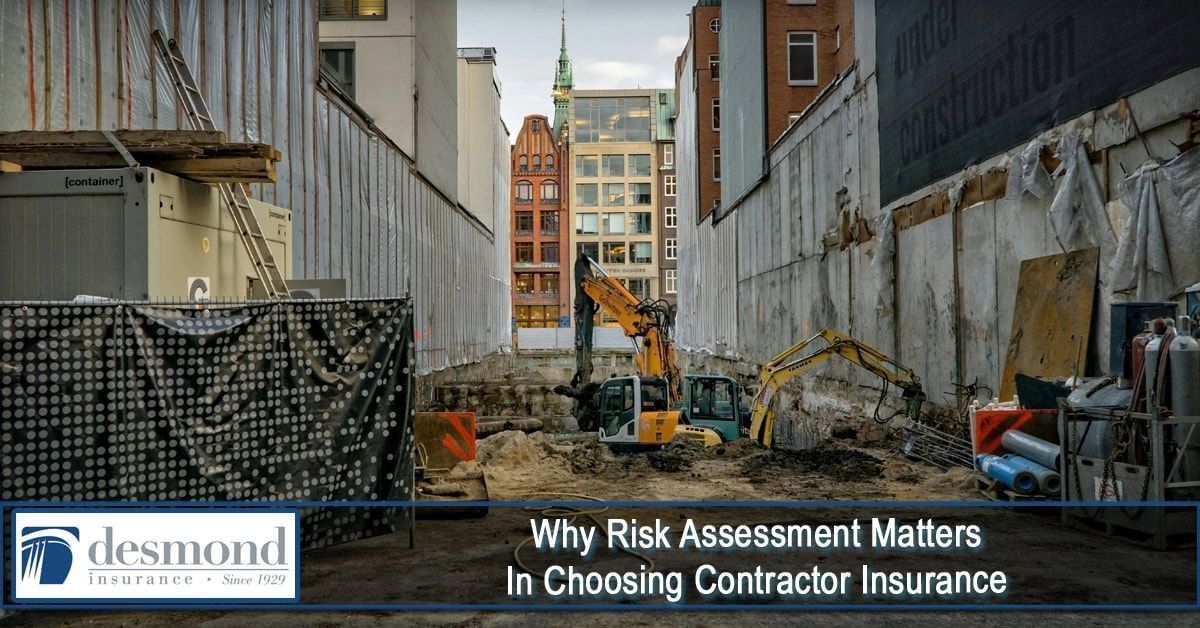


Why Risk Assessment Matters In Choosing Contractor Insurance
September 29, 2025
What Is Risk Assessment in Insurance?
- Pinpoint the most likely threats.
- Prioritize coverage that matches their unique exposures.
- Avoid overpaying for unnecessary protections.
Why Risk Assessment Matters for Contractors
1.Tailors Insurance to the Nature of Work
- Not all contractors face the same risks—an electrician has different exposures than a roofer.
- Risk assessment ensures coverage is relevant and comprehensive.
2. Prevents Coverage Gaps
- Without a clear risk evaluation, contractors may overlook critical policies (like professional liability or tools and equipment coverage).
- A thorough assessment closes these gaps.
3. Controls Insurance Costs
- By understanding your risk profile, you can choose higher deductibles for low-risk areas and invest in robust coverage where risk is high.
- This balances affordability with protection.
4. Supports Compliance with Contracts and Regulations
- Many clients and municipalities require proof of specific insurance policies before awarding contracts.
- Risk assessment helps ensure you meet these requirements without unnecessary extras.
5. Safeguards Business Reputation
- Adequate coverage based on risk analysis builds client confidence, showing professionalism and preparedness.
Key Risks Contractors Should Assess
- Worksite Accidents
Falls, cuts, or machinery injuries requiring workers’ compensation coverage. - Property Damage
Accidental damage to a client’s property or neighboring structures—covered by general liability insurance. - Professional Errors
Mistakes in design, planning, or execution—addressed by professional liability insurance. - Vehicle-Related Risks
Accidents involving work trucks or vans—protected by commercial auto insurance. - Equipment Loss or Theft
Tools stolen from a jobsite or damaged during transport—covered by inland marine or equipment insurance. - Project Delays
Natural disasters or fire causing downtime—mitigated with builder’s risk insurance.
Practical Steps for Contractors
- Conduct Regular Risk Reviews:
Evaluate risks annually or when taking on new types of projects.
- Work With a Specialist Broker:
Insurance professionals with construction expertise can identify less obvious risks.
- Involve Your Team:
Employees often see risks on the ground that management may overlook.
- Keep Records: Document safety practices and risk assessments to demonstrate responsibility to insurers and clients.
Conclusion
At Desmond Insurance, we aim to provide comprehensive insurance policies that make your life easier. We want to help you get insurance that fits your needs. You can get more information about our products and services by calling our agency at
. Get your free quote today by
.
Disclaimer: The information presented in this blog is intended for informational purposes only and should not be considered as professional advice. It is crucial to consult with a qualified insurance agent or professional for personalized advice tailored to your specific circumstances. They can provide expert guidance and help you make informed decisions regarding your insurance needs.
Recent Posts

January 26, 2026
Shannon Desmond Walz, Vice President of Desmond Insurance, has been named to the Board of Directors of Big I Kentucky, the state association representing independent insurance agencies across the Commonwealth. Big I Kentucky supports its members through legislative advocacy, education, professional development, and industry resources that strengthen independent agencies and the clients they serve
Contact Us
Thank you for contacting us.
We will get back to you as soon as possible.
Oops, there was an error sending your message.
Please try again later.